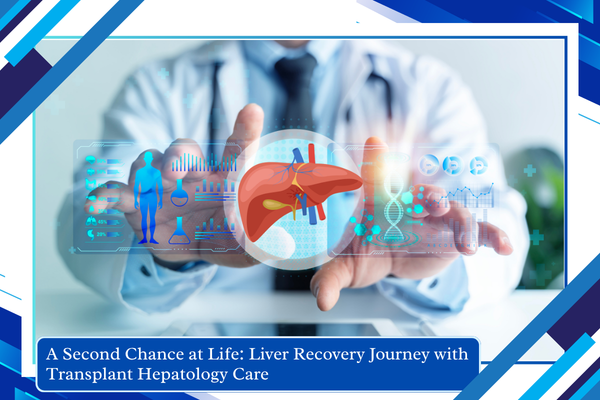
A Second Chance at Life: Liver Recovery Journey with Transplant Hepatology Care
Advanced liver disease can be life-threatening. Discover how Dr Kushan Sengupta helped a patient recover through expert transplant hepatology care.
Introduction: When Liver Disease Changes Everything
At 52, Mr. Anil Sharma had always been the backbone of his family. But persistent fatigue, yellowing of the eyes, and loss of appetite began to affect his daily life.
After a series of medical tests, he was diagnosed with advanced liver disease requiring specialized care in Transplant Hepatology.
The diagnosis was overwhelming. Thoughts of liver failure and transplant created fear, but it also marked the beginning of a life-changing journey.
Emotional and Physical Struggles
Living with severe liver disease brought multiple challenges:
Constant fatigue and weakness
Jaundice and digestive issues
Anxiety about liver transplant
Emotional stress for the entire family
Like many patients facing liver complications, Anil needed both medical expertise and emotional reassurance.
Expert Consultation: A Ray of Hope
Anil consulted Dr Kushan Sengupta, a highly experienced Consultant Gastro & Liver Specialist with expertise in transplant hepatology.
After evaluating his condition through advanced diagnostics, Dr. Sengupta explained the severity of liver damage and outlined a structured treatment plan.
His calm explanation and patient-centric approach gave Anil confidence that recovery was possible.
Understanding Transplant Hepatology
Transplant Hepatology focuses on treating severe liver conditions and preparing patients for liver transplantation when necessary.
Conditions treated include:
Liver cirrhosis
Chronic liver disease
Liver failure
Key goals of treatment:
Stabilize liver function
Manage complications
Evaluate for transplant if required
Improve quality of life
Modern hepatology care ensures a comprehensive and personalized approach to treatment.
The Treatment Journey: Step-by-Step Care
Dr. Sengupta designed a customized treatment plan tailored to Anil’s condition:
Medications to support liver function
Nutritional and lifestyle modifications
Monitoring for complications
Evaluation for transplant readiness
With continuous care and supervision, Anil’s condition gradually stabilized, delaying the immediate need for transplantation.
Recovery: A Journey of Strength and Discipline
Anil’s recovery was gradual but encouraging:
Jaundice reduced significantly
Energy levels improved
Appetite returned
Regular monitoring ensured steady progress
His disciplined lifestyle changes and adherence to medical advice played a crucial role in his improvement.
Final Outcome: A Renewed Life
Today, Anil Sharma is leading a stable and healthier life. While he continues regular follow-ups, his condition is well-managed, and he has regained confidence and strength.
His journey reflects the power of expert care and timely intervention in managing complex liver diseases.
Frequently Asked Questions (FAQ): Transplant Hepatology
What is transplant hepatology?
Transplant Hepatology is a branch of medicine focused on treating severe liver diseases and managing liver transplantation.
When is a liver transplant needed?
It is required when the liver is severely damaged and cannot function properly.
Can liver disease be managed without transplant?
Yes, in many cases, early and proper treatment can stabilize the condition.
What are common symptoms of severe liver disease?
Jaundice, fatigue, swelling, and loss of appetite are common signs.
How can liver health be improved?
Healthy diet, avoiding alcohol, regular check-ups, and following medical advice are key.
Conclusion: Hope Through Advanced Liver Care
Severe liver disease can feel overwhelming, but modern transplant hepatology offers hope and effective solutions.
With the expertise of Dr Kushan Sengupta, patients can receive comprehensive care that not only manages the disease but also improves quality of life.
Anil’s story is a powerful reminder that with the right medical guidance, determination, and timely care, even serious liver conditions can be managed successfully.
Quick Links
Contact Us
About
Dr. Kushan Kaushik Sengupta is a skilled Consultant in Gastroenterology and Hepatology at Manipal Hospitals, Kolkata. With an MBBS from Madras Medical College and advanced specialization through MD, DrNB, and Fellowship in Transplant Hepatology.